
Calendar for regrowth after a hair transplant
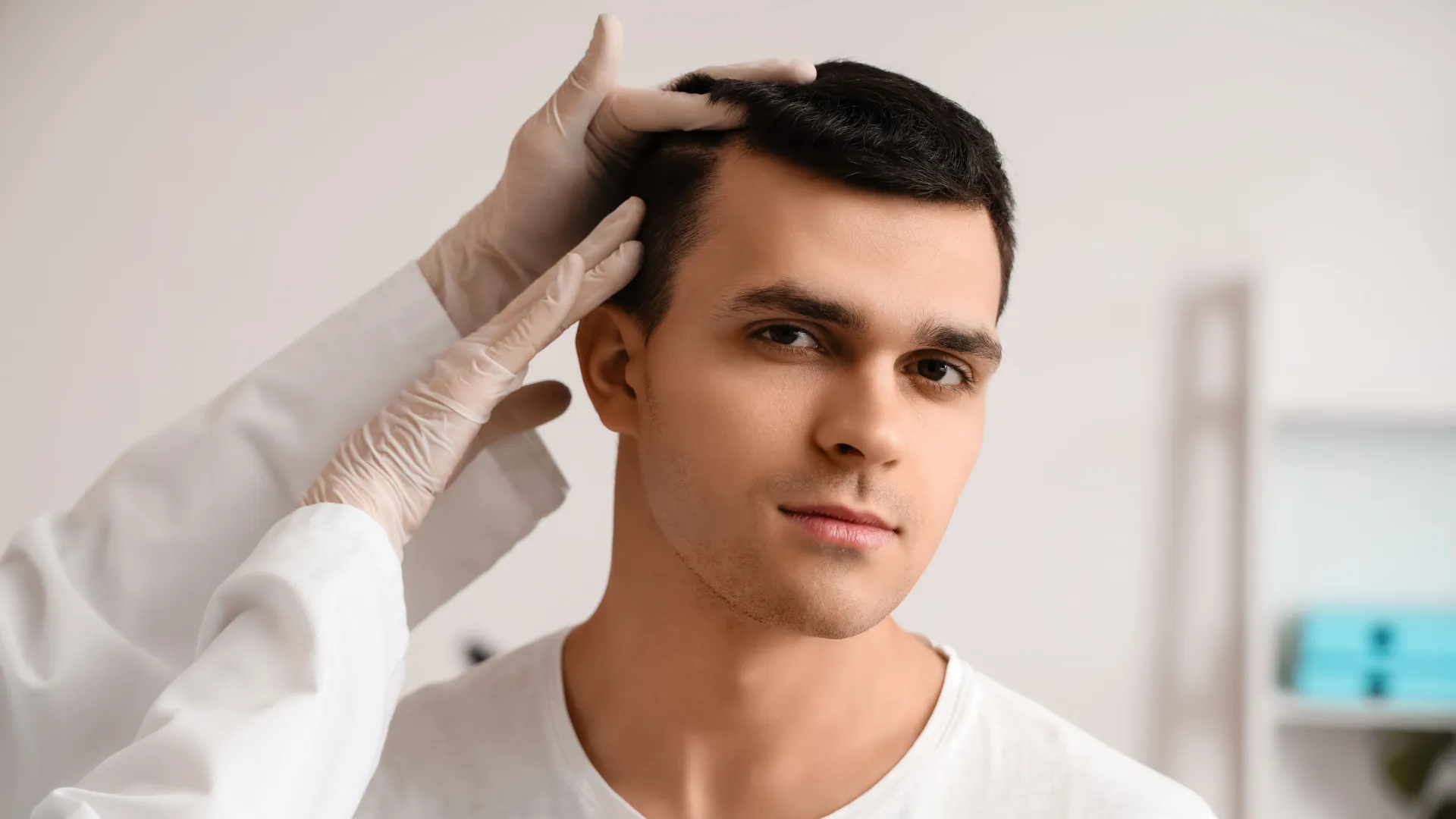
La hair transplant is a meticulous cosmetic procedure whose results are observed over several months. Contrary to immediate expectations, hair regrowth follows a Physiological calendar precise, with phases of fall, rest and growth. Understanding this schedule helps to better anticipate recovery steps and avoid unnecessary worry. La Grand Paris Clinic Show you the typical evolution after a hair transplant month by month.
Right after the procedure, the scalp shows slight scabs and temporary tenderness. These signs are normal and reflect the healing process. It is essential to carefully follow the post-operative instructions given by your surgeon, in particular concerning:
To the Grand Paris Clinic, close follow-up is ensured during this phase to ensure optimal healing.
During the first weeks, the implanted hair falls out progressively: this is post-graft shedding. This phase is completely normal, as only the bulbs (roots) remain in place. They will soon enter a resting phase before producing new hair.
Between the first and third months, few visible changes are observed. The hair follicles enter a resting phase called Telogen phase. The scalp regains its normal appearance, and the redness fades away. During this period, supportive treatments such as PRP, the exosomes Or the Minoxidil can be introduced to stimulate microcirculation and prepare for future regrowth.
The first hairs begin to appear in the form of fine fluff. These new hairs are often light and fragile. They grow slowly, at a rate of about 1 cm per month. The overall volume is still low, but this phase marks the beginning of active growth grafts. It is advisable to avoid any chemical treatment or excessive heat (hair dryers, hair straighteners) in order not to weaken the regrowth.
Starting from the fifth month, the hair becomes thicker, darker and more visible. The overall density is beginning to increase, especially on the frontal line and the crown zone. The sessions of PRP And of hair mesotherapy are often continued during this period in order to stimulate growth and to standardize regrowth areas.
The majority of patients see a marked improvement between the sixth and ninth months. The hair is gaining in density, brilliance and homogeneity. Transplanted hair now follows a classic growth cycle and can be styled or cut normally. However, the final density has not yet been reached. Medical follow-up remains essential to adjust hair care and maintain the vitality of the grafts.
Between nine months and one year, regrowth generally reaches 90 to 100% of its potential. The hair has regained its final texture and behaves like natural hair. The final result depends on several factors: type of graft (FUE, DHI, FUT), initial density, graft quality and compliance with post-operative recommendations. To the Grand Paris Clinic, a final check is carried out in order to assess the density, direction and aesthetic quality of the result obtained.
PeriodEvolution observedDay 1 to 7Healing and scab formation.Week 2 to 4Fall of transplanted hair (shedding) .Months 1 to 3Rest phase, no visible regrow.Months 3 to 4Start of fine and sparse regrow.Month 5 to 6Accelerated growth, thicker hair.Months 6 to 9Noticeable density and natural look.Months 9 to 12Stabilized final result, strong and durable hair..
To ensure consistent and sustainable growth, it is recommended to:
La regrowth after a hair transplant is a gradual process that requires patience and careful monitoring. Each stage — healing, falling, resting, then growing — is part of the normal regeneration cycle. By choosing the Grand Paris Clinic, you benefit from expert support at each phase, from the intervention to the complete stabilization of the result. For a personalized diagnosis and tailor-made follow-up, make an appointment now on our Hair Medicine page or directly via Doctolib.